Customer Management
Centralize customer account information for billing and payments, support multiple accounts and multiple subscriptions, and provide full visibility into the customer lifecycle — laying the foundation for refined operations and revenue management.Pricing & Plan Management
Built-in support for mainstream billing models including subscriptions, usage-based pricing, tiered pricing, bundled plans, minimum commitments, and prepaid credits — all configurable visually and freely composable — enabling companies to quickly launch complex business models and support diverse pricing needs for token- and API-based services.Usage & Metering
Provides high-performance and scalable metering and usage processing, supporting multi-dimensional usage collection, real-time aggregation, and rule-based transformations to efficiently convert raw business events into billable data — enabling true real-time and near real-time usage-based billing.Invoicing & Billing
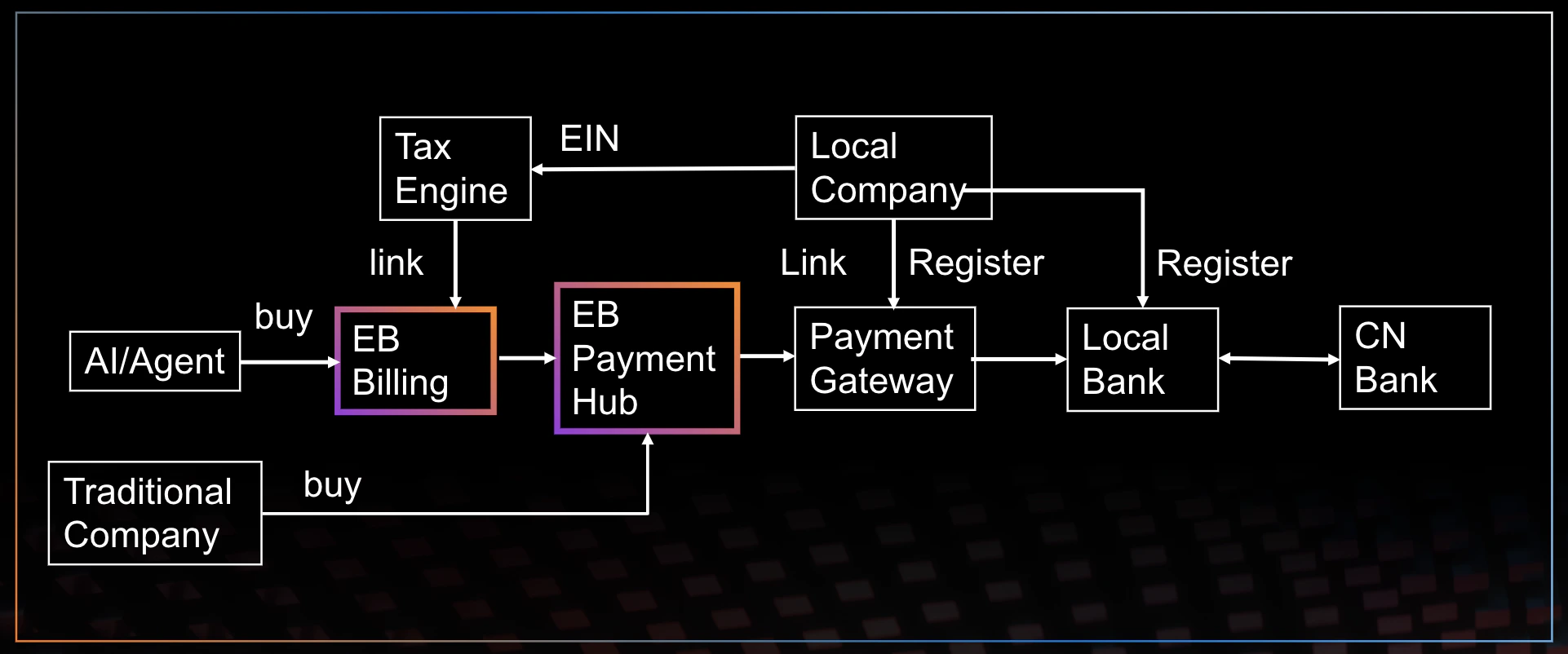
Automatically generate bills and invoices based on pricing plans and actual usage, with support for billing cycles, invoice splitting and consolidation, and real-time unbilled revenue preview — helping companies gain early visibility into revenue and improve financial control.Payment Orchestration & Routing
Seamlessly integrate with leading domestic and global payment gateways including WeChat Pay, Alipay, Stripe, and PayerMax, with support for intelligent payment routing and retry strategies to significantly improve global payment success rates and reduce transaction costs.Tax & Compliance
Integrate with leading global tax platforms such as Avalara, Stripe Tax, and TaxJar to automate VAT, sales tax, and GST calculation and filing support across multiple countries and regions — helping companies reduce cross-border compliance risks and expand into global markets with confidence.